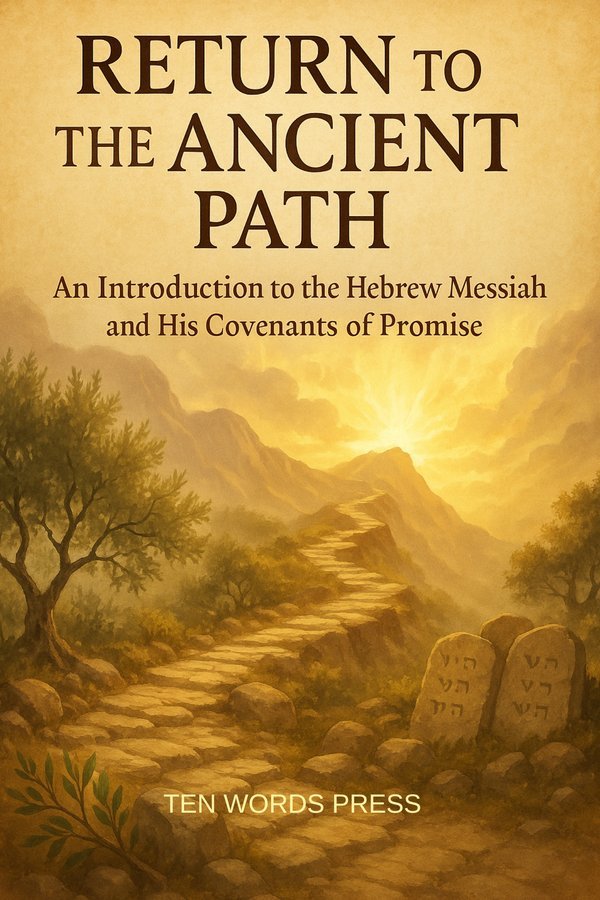
Return to the Ancient Path
An Introduction to the Hebrew Messiah and the Covenants of Promise
"Thus says the LORD: Stand in the ways and see, and ask for the old paths, where the good way is, and walk in it; then you will find rest for your souls." (Jeremiah 6:16)
Jesus was not a Western teacher with a Greek name who founded a new religion. He was the Hebrew Messiah, born into a covenant people, keeping the appointed times, and walking a path God had laid down from Abraham to the Kingdom. Somewhere along the way, much of the church lost sight of that path. Return to the Ancient Path leads the reader back to it.
The book begins with the God who makes covenant and places Jesus in His Hebrew context. It follows His mission to gather the scattered and join the house of Judah and the house of Joseph into one, and it shows how the Passover Lamb, the unleavened bread, and the firstfruits were fulfilled in Him to the day.
At its center are three movements. The Father swears an oath to Abraham under the stars. The Son speaks the Ten Words from Sinai in fire and cloud. The Spirit descends at the Temple and writes the covenant on the hearts of those who believe. From there the book shows one olive tree, with Israel restored as one people.
The later chapters trace how the ancient path divided. They set out what the text actually says, show how the calendar of heaven was quietly filed beneath the calendar of Rome, and explain why the Reformation called the church back to Scripture but left the work of restoration unfinished. A closing appendix explains the deliberate choices behind the book's language.
For anyone who has sensed that the faith they were handed was missing its roots, this book offers a way home.
The old paths are still there. Walk in them.
- Author
- Charles Vance
- Category
- Deep Dive